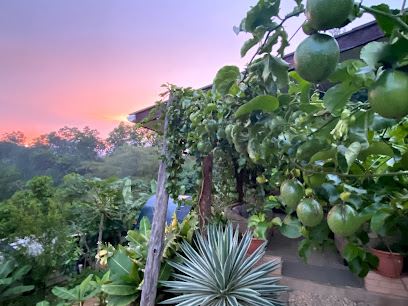
Australian travel blogger Catherine Hopgood has been exploring Timor-Leste and sharing her travel experiences through her blog, Timor Tourist 2021. In her recent post from Aileu, she gives a complete guide to what to do, where to stay and farm-to-table culinary feasts to be enjoyed along the way. Click on the link to read more about her blog in Aileu https://timortourist2021.wordpress.com/2021/01/27/chilling-out-in-the-fohoof-aileu/
Timor-Leste Tourism Photo Competition
Market Development Facility (MDF) is putting together a database of photos that will be made available to tourism operators and partners so that they can raise awareness of beautiful Timor-Leste and promote tourism to this country. The Timorese Ministry of Tourism and several other tourism stakeholders have contributed to this effort.
To further support this activity and promote Timor-Leste’s tourism marketing efforts, MDF is partnering with the Professional Photographers’ Association of Queensland for a photo competition. This is a chance for both amateur and professional photographers to show off their beautiful pictures of Timor-Leste and win prizes. Join the Timor-Leste Photo Competition for a chance to get featured.
Dokomali: A New Tour is Launched to Take Tourists to Timor-Leste's Mountainous Interior
A group of tourism influencers, local media and tour operators were the first people to experience a new tour package to attract visitors to a small community in the mountainous Ainaro region of the country. The highlight of the tour was a hike to the spectacular Dokomali waterfall and the trip also included a lively welcome ceremony by local cultural elders in traditional Timorese costume, in Lebolau village. After the hike to the waterfall, the community prepared a lunch highlighting locally-grown produce.
The guided tour also featured a presentation about the country’s struggle for independence during a stop in Aileu Municipality at the statue of Nicolau Lobato, Timor-Leste’s first Prime Minister. The journey took the group through breathtaking scenery of mountain peaks and lush river valleys, pausing at the Fleixa viewpoint for a photo opportunity, with Mount Kablaki in the distance.
The tour was well-received by local authorities: in his welcome speech to the group, the village chief said the event was unique for them as was the first time an organized tour had visited his community. He added that the trip was a great opportunity for tourists to explore undiscovered attractions like Dokomali waterfall and expressed his support and commitment to future activities to develop tourism in the area.
USAID’s Tourism For All project created the package for promotion to both international and domestic travelers and the pilot group was asked to evaluate the itinerary so that it can be refined and put to market. All of the participants said that they were satisfied with the experience, with 90% rating the trip as “good” or “excellent”. The cultural performance was a big hit with the group, who rated it equally with the waterfall visit as a highlight of the trip. All of the participants said that they would recommend it to a friend.
Timor Post journalist Augusto Sarmento commented: “I’m delighted to be part of this amazing fam trip! As a journalist, I have never had this kind of incredible experience in my life so with this experience I could learn how to get the right information out to people on what sort of good or bad things that need to be maintained or improved to attract more tourists visiting these amazing undiscovered attractions”
Journalist Jacky Neves from Televizaun Edukasaun-TVE also gave a positive review: “I’m really excited to be part of this wonderful fam trip, as this such a valuable tool that we can use to promote some of Timor-Leste’s attractions to domestic and foreign tourists to contribute to income generation”.
After the pilot excursion, the itinerary was presented to seven Timor-Leste based tour operators and they all agreed to promote the package in the domestic and international tourism markets.
The trip received extensive coverage in local print, television and social media, putting the spotlight on a little-known destination and enhancing the financial prospects of the community. The media coverage also served to raise public awareness of tourism to the Timorese public, one of the goals of the national tourism policy.
Traditional Laws Protect the World's Most Biodiverse Reef
A scheme to protect the coral reef surrounding Atauro Island in Timor-Leste has been attracting attention from the international media. The local communities on the island are resurrecting traditional Timorese land management laws known as Tara Bandu, while developing community-based tourism initiatives to preserve the most biodiverse coral reef in the world.
USAID Instigates Public Private Partnership to Transform Dili Port into a Tourism Hub
The Timor-Leste Council of Ministers has approved a plan to develop an international-standard marina complex in the heart of the capital, Dili. USAID’s Tourism For All project has been working with the government, the port authority and technical experts for the past two years to craft the proposal for a public-private partnership that will see the transformation of the current commercial shipping port into a tourism hub. The 50+ million-dollar project will revitalize the extensive waterfront area in the city centre, integrating marine and urban transport with cultural, recreational and residential facilities.
The Public-Private Partnership model is designed to leverage public assets and the commercial and operational strengths of the private sector. This milestone in Timor-Leste’s tourism development shows how the government, the private sector, and development partners can work together for the collective good. Once completed the project will have a dynamic impact on Timor-Leste’s economic development, stimulating investment and investor confidence, as well as improving quality of life of its citizens and offering an exciting tourism experience to visitors.
The Minister of Transport and Telecommunications Mr Jose Agustinho da Silva expressed his appreciation: “We greatly appreciate the Dili Port Redevelopment and Commercialization project, which will serve to diversify Timor-Leste’s economy and help us to move away from dependency on the petroleum sector”.
The development will include the creation of a variety of tourism-related waterfront facilities for visiting cruise ships and yachts, whale-watching and dive boats, as well as serving as a terminal for local ferry services. The plan includes a dedicated area for passenger processing, immigration and customs, accessed by a pedestrian bridge, with ample parking and loading facilities. A marina will provide moorings for small and medium-sized vessels and allow for safe and easy embarkation of passengers and loading luggage, supplies and equipment.
Conceptual Design for the Dili Port Port Redevelopment and Commercialization Project (c. USAID’s Tourism For All Project)
The design concept aims to prioritise pedestrian movement throughout and around the development scheme, linking with footpaths along the waterfront and giving easy access to public transport, making provision for the future use of low-emission vehicles. The development will also provide greater resilience to the effects of climate change: all of the water frontage will be raised by one meter to protect against storm surge and flooding. Overall, the project aims to integrate modern architecture and construction techniques whilst preserving the Timor-Leste cultural identity.
Dili Port is also intended to serve as a tourism destination in itself, with boutique hotels, restaurants, cafes and handicraft retail outlets, whilst acting as a hub for tour itineraries connecting attractions such as Mount Ramelau, Atauro Island and places of interest in Dili. Tour and dive companies will have the option of providing booking facilities in this strategic location, whilst a tourism information centre will be incorporated into the plan. The inclusion of residential and general retail units will create a new community, revitalizing the city centre. There will be pedestrian-friendly zones with spaces for cultural performances, exhibitions and public gardens, for all to enjoy.
For residents of Dili, the waterfront development would provide employment and commercial opportunities, with beneficial economic effects radiating throughout the city centre, stimulating urban development around the site. It will also be a showcase for Timor-Leste’s tourism offering in the international marketplace, capitalizing on the country’s growing reputation for world-class marine tourism and serving as a gateway to the interior.
The downtown site will be available for redevelopment once the new commercial port in Tibar becomes operational. Following the ministerial approval, further technical work will be undertaken prior to offering the project for international tender in 2023. This process will include a feasibility study, final selection of the development option, financing and partnership model, and infrastructure design, followed by tender development, promotion and issuance. The Dili Port Site Redevelopment and Commercialization project is expected to serve as a model for a number of future developments of state-owned sites with tourism potential, which are also in the pipeline.
Source: USAID’s Tourism For All Project
DaTerra Agroecological and Educational Farm
Visitors seeking a meaningful and authentic eco-tourism experience in Timor-Leste can learn about sustainable agriculture with a stay at daTerra educational farm in Bacau, just two hours’ drive from the capital, Dili. DaTerra is a social enterprise that has developed the concept of agro-tourism to ensure the project’s sustainability and to serve as a demonstration model for combining sustainable agriculture and ethical tourism. At the heart of the facility is an elevated bungalow inspired by the traditional Timorese houses, with some adaptations for visitors, built with local materials. DaTerra started receiving its first local and international guests in 2017, and reinvested the income to build a second traditional hut with two private rooms, which are available as guest accommodation. Maintaining the focus on traditional local materials such as mud, rice straw, and sand, they also built a barbecue and are planning to add a pizza and bread oven to prepare food for guests.
DaTerra runs a varied plant and tree nursery as well a seed bank with over 200 species, making it probably the biggest seedbank in the country. The farm is also an educational facility, providing tours for schools and other entities while at the same time working as a research and permaculture demonstration site for developing local seeds and adapting other beneficial heirloom varieties. DaTerra embraces projects on Education for Sustainable Development, which is an educational vision that aims to balance both human and economic well-being, in harmony with cultural traditions and with respect for the planet’s natural resources. The main goal is to reconnect with Nature, creating spaces that bring one’s true nature into full potential, strengthening relationships with all beings. The project shares a holistic perspective in which the world is more than the simple sum of its parts, but several interdependent elements and systems that interact with each other.
Through a deep approach to sustainability, DaTerra encourages active participation as a fundamental aspect of creating truly healthy communities. Working with the local community, DaTerra has started local boat trips for dolphin and whale watching, traditional deep-sea fishing and to explore secluded beaches. They plan to extend their partnership network to attract visitors to natural wonders such as waterfalls, lakes, caves, and mountains in the region. Currently they are offering hikes to the top of Mount Matebian, from Quelicai or Baguia, and to the summit of Mundo Perdido (the “Lost World”) with stunning views and lush forest scenery, the hot springs at Venilale, and spectacular waterfalls in Laga and other parts of the district. There are different levels of difficulty depending on the tourists’ physical condition. Meals during the excursions are provided either at natural beauty spots or in nearby social projects such as orphanages, religious communities or local houses, to support the local economy. The goal is to establish and promote a network of community-based tourism organizations and to empower youngsters to participate and to contribute new ideas to develop tourism attractions in a sustainable way.
Throughout the years of working with different local communities in Baucau municipality, some in strategic touristic spots, short-training courses have been provided to encourage the combination of agricultural activities with tourism by promoting local natural attractions, with the possibility of providing accomodation and traditional food from their gardens. Some events such as rice and corn planting and harvesting can be made into tourism attractions, organizing festivals that can provide unique experiences to tourists while encouraging the practice of ancient songs and dances within the old and young generations.
daTerra’s core belief is that it is very important to present low budget ethical tourism examples, in order to inspire the young generation to stay or go back to their home towns and start small tourism businesses. The aim is to promote their traditions and cultural aspects as well their surrounding natural attractions, to generate employment for local people, to support the local market and to reinforce the importance of preserving their culture, their natural resources, with intergenerational gatherings to shareknowledge and stories.
The eductional farm provides free school tours for both students and teachers promoting environmental education, sustainable agriculture and agro-tourism as well training. Since daTerra started promoting their activities in social media, the farm has become a tourism attraction for members of the Baucau community, such as young people, health workers, and local police and military. Youngsters, health staff, PNTL and militars have been some of the latest visitors.
To date, over 3,500 individuals have visited the farm, including 700 school students, 150 local teachers, government officials, international organizations and former Timor-Leste President and Nobel Peace Laureate Dr Jose Ramos Horta. “It has been really uplifting to see local guests getting inspired with the concept and willing to do something similar back in their home towns, said DaTerra Founder and Project Manager, Fernando Madeira, “Whilst the farm provides a deeper conection with nature and sustainable living, visitors can also realize the direct link between the land, the products and the food in the plate”. In a permaculture design, different elements are displayed in an integrated way, combining diverse aspects such as animal raising systems, worms and dry composting, tree and plant propagation at the nursery, seed saving, fish farming and water management. Compost toilets are presented as a model that can be adapted to all areas with special focus in places with difficult access to water.
Through its project “Sprouting seeds”, DaTerra has been establishing sustainable agriculture demonstration sites and collaborating with local farmers by providing training in sustainable agricultural practices and agro-tourism, as well distributing tree seedlings. Since 2011, the nursery has provided over 1500 fruit trees and other varieties to the surrounding communities every year.
DaTerra has had a difficult year due to Covid-19-related restrictions and the nursery was badly damaged during the catastrophic floods in April 2021. With a view to repairing the facilities and to becoming more independent in terms of tree distribution and collection of materials, the project has now set up a fundraising campaign. The campaign motto is “A Tree For A Dollar”, and it aims to distribute and plant 20,000 trees to raise the sum of $20,000. The pandemic and floods have caused a tremendous impact increasing the difficulties faced by most Timorese households. Some areas that were strongly affected have seen their access to food and goods blocked due to landslides over roads and brigdes destroyed, together with crops lost. These tragedies have revealed a stark image of something that was already a serious problem – food scarcity!
At the moment, DaTerra has around 10,000 tree seedlings growing in its nurseries, including 5,000 “Spinach Trees” – a very resilient tree and that is highly nutritious tree that can handle long periods of droughtand grows in any type of soil from sea level to mountain areas. It is a very fast-growing tree. The other 5,000 thousand seedlings are Neem trees, which is also very resilient, has medicinal properties and is used as a natural pesticide for agriculture. It is also planted wordwide to prevend soil erosion and landslides and can also be used as timber for furniture and construction as well as firewood. Neem can grow in any type of soil from sea level to 1200 meters altitude and can survive Timor-Leste’s long dry seasons.
For more information you can also consult the daTerra website: www.daterratimor.org
Source: DaTerra
All photographs copyright DaTerra
The Five Summits of Timor-Leste – A New Adventure Tourism Challenge
A new tour company, Adventureiro Azula Outdoor (AAO), has created a spectacular adventure experience for tourists – 8 days of guided treks to the summits of all five of Timor-Leste’s highest peaks. The “Five Summits” tour aims to promote adventure tourism Timor-Leste, showcasing the beauty and diversity of the countryside. Promoting the trip on social media with the hashtag #HauNiaTimorLeste, the group aim to boost the domestic tourism industry by spreading the message that these places are not just for international travellers, but they are beautiful and exotic places that all Timorese people should make an effort to visit, too.
AAO Director Joel Manuel Freitas Soares said that he had the idea when he read about the international “Seven Summits Challenge to climb the world’s highest mountains. “This motivated me to explore Timor-Leste’s own highest peaks, to show them to the world and to attract visitors to our country”, he explained.
In order of altitude, Timor-Leste’s highest mountains are:
Mount Ramelau (2967 metres), in Ainaro Municipality, which is also known locally as “Tatamailau”. Ramelau is already an established tourism destination, renowned for the stunning beauty of the countryside and also as a faith-based tourism attraction. Visitors hike from a shrine in Hatobuilico to offer devotions at the statue of the Virgin Mary at the summit, site of a major Catholic pilgrimage every year on October 7th.
Matebian is the second-highest mountain in the country, at an altitude of 2376 metres. Situated between Quelicai and Baguia in Baucau Municipality, this dramatic peak has a special cultural and sacred status for local people, and is best visited with a local guide. It was also a base for Falintil resistance fighters and a refuge for local people during the Indonesian occupation; some died and many suffered hunger in this isolated spot. Matebian is also a site of religious importance and the Catholic faithful make the pilgrimage to the statue of Christ The King at the summit.
Aileu Municipality is the location of the third-highest peak, Mt. Maubohilau (2312 metres). Maubohilau is not as well known as Ramelau and Matebian, and whilst it does not have a shrine or monument at its summit, this mountain rises up from a lush, green virgin forest. The 3-hour ascent is also more suitable for less experienced hikers, passing through easier terrain than the higher peaks.
Although Mount Kablaki (2062 metres) is only the is only fourth-highest in terms of altitude, its double peaks – Kaikas and Berlaka – can only be reached after a challenging ascent through steep, rocky terrain. Trekkers need to be prepared for a physical and mental challenge and whilst local people do make the trip for cultural and religious rites, it is suitable for the most adventurous and physically-fit visitors. On its initial tour, AAO cleared a pathway to the Kaikas peak, to take their group up to see the big white cross at the summit.
Datoi–Tapo is the fifth-highest mountain, at 1941 metres. Situated in Bobonaro Municipality, the ascent to Datoi-Tapo passes through areas of particular beauty, particularly in the rainy season, with lush green vegetation, whilst in the dry season the landscape is arid and rocky. It is a favoured location for local people seeking to hunt wild boar.
AAO organized the pilot tour for members of Timorese adventure groups who were experienced in trekking through mountainous terrain and who were willing to offer their expertise in helping to devise the package. Before setting out, AAO consulted the local authorities for their suggestions on routes and attractions and they conducted a survey afterwards aimed at helping them to refine the package in light of the group’s experiences. The local community provided their hospitality during the eight-night journey.
As the AAO group travelled between locations, members were able to refresh themselves by bathing in rivers and pools along the way. On the final day, the team spent some time at the small seaside resort of Com in Lautem Municipality, on the way back from the challenging ascent of Mt. Matebian. They all felt a sense of pride, as the first group to climb five mountains in eight days, and were thrilled with beautiful sights they saw along the way and the sense of achievement as they stood at the summit of each peak.
Freitas Soares said that the benefits of the Five Summits tour also extended to the community and to local authorities. The tour will help to put the peaks and the surrounding areas on the tourism map, promoting local culture as well as providing an income to some people in the area, who will have the opportunity to work as guides in the future. He also emphasised that AAO planned to conduct its activities under strict environmental principles: “Leave nothing but footprints; take nothing but photos (and videos!) and kill nothing (except time).” He added that tours such as this also presented an opportunity to raise environmental awareness amongst local visitors, mentioning recent incidents of littering and vandalism in the Mt. Ramelau area.
Whilst international tourism is at a standstill due to the Covid-19 pandemic, Freitas Soares Manuel said that his group had embraced the national #HauNiaTimorLeste campaign to promote domestic tourism. “Through this campaign, we hope to create more interest in tourism amongst Timorese people, and make them feel proud of the beautiful places and wonderful experiences they can have when they travel around the tourism attractions throughout the country.”
Freitas Soares has a strong vision for tourism in Timor-Leste: he’s not going to stop at Five Summits: “Now we want to explore the sixth and seventh highest mountains in the land. And we’ll go beyond that, to develop more great adventure tourism experiences in Timor-Leste”.
To find out more about the Five Summits tour, contact Aventureiro Azula Outdoor:
All photos copyright Adventureiro Azula Outdoor (AAO)
A Trip To Coffee Country: Visit Letefoho and Explore Authentic Local Coffee Culture
Are you looking to explore authentic coffee culture, to take a journey from bean to cup, engaging with local coffee producers as they harvest and process Timor-Leste’s renowned coffee? Perhaps you just want to find a place to escape from your busy daily life to a quieter, more relaxing place in the midst of stunning scenery? All this will be possible with a weekend getaway to Ermera on a coffee tour package offered by Café Brisa Serena (“CBS”). Cafe Brisa Serena is a subsidiary of a local social enterprise established by Peace-Winds Japan to improve the livelihood of coffee farmers through an income generation program, to add value to the coffee product and to promote high quality Timor-Leste coffee in the domestic and international market.
Dili residents and many people who have visited Timor-Leste will be familiar with Café Letefoho and will have tasted the coffee at Letefoho Specialty Coffee Roaster on the beachfront in Dili. The coffee served here is freshly-roasted and served, for maximum aroma and flavor. First opened as a specialty coffee roaster in June 2014, the Café set out to promote Timor-Leste coffee sourced directly from producers in Letefoho, Ermera. Since then, this small Café has attracted many international visitors and local people, offering a unique coffee experience in Timor-Leste through different coffee brewing methods prepared by expert baristas at the cafe. As the number of visitors increased, demand grew for visits to coffee farms for an in-depth experience of local coffee culture at the origin.
The coffee tourism niche has great potential to help Timor-Leste to develop its local economy by attracting visitors to cafes and farms. In June 2020, during the global pandemic with international tourism at a standstill, Café Brisa Serena (a subsidiary local Social enterprise established by Peace-Winds Japan) identified a new opportunity to work with coffee producers, youth and local women entrepreneurs who run Guest Houses in Letefoho. They combined coffee tours with a yoga retreat in collaboration with Dili Ashtanga Yoga, to create a package, initially aimed at attracting domestic and expatriate visitors to the region during coffee harvest season in 2020. During coffee harvest season, visitors can book trips to coffee farms and engage directly with farmers to pick coffee cherries, try their hand at coffee processing, and enjoy the traditional coffee roasting and brewing process, right at the farm where it was grown.
The Letefoho Coffee Tour is not only about taking visitors to visit a coffee farm. The aim is to give visitors the opportunity to see and experience directly how coffee is produced, to learn where the coffee they consume comes from and how every cup of coffee purchased has an impact on coffee producers’ lives and people within the coffee value chain, and promote sustainable tourism. While visiting coffee farms, visitors can spend their weekend staying at community guest house or accommodation run by Cafe Brisa Serena, explore the neighborhood, visit local markets which take place every Wednesday and Saturday, local tea plantation. They can also spend additional time visiting the spectacular “Mota Bandeira“ waterfall in Atsabe and other local tourism attractions with local tour guides.
“We are happy to create business and employment opportunities for youth and women in Letefoho, support local businesses and help farmers to generate additional income from visits to their coffee farms”, Café Brisa Serena (Business Development Manager) Jonia Leite Soares explained, “It is also great to learn through this tourism initiative and with the small capital we have invested. Café Brisa Serena have been able to attract many visitors in 2020 and run this initiative with great collaboration with guest house owners in Letefoho, youth and women from the community, and other business working to support promotion for Timor-Leste Tourism”.
Maria Silvina Babo “Silvia”, 27 years old, is a local chef and guest house assistant at Café Letefoho Guest House. She is very happy with her job since she is able to learn basic skills in hospitality and tourism from her work and make a living from the money she earns. Through on-the-job training organized by CBS, she has been able to learn how to organise and prepare food for guest and using available seasonal local ingredients to promote local food, welcome guests, and has been developing skills in brewing coffee with the team of baristas at Letefoho Specialty Coffee Roaster. Now, she is also training other other staff in food preparation and is actively involved with youth tourism group from Letefoho. She is also working closely with Café Letefoho barista Laurentina Babo aka Rina, who has also been working tirelessly to organize coffee farm tours and visits to other tourism attractions in the region.
In 2021, this activity is on hold, with the outbreak of local community transmission in Ermera which resulted in the cancelation of bookings. But all of the Cafe Brisa Serena partners are working hard to prepare safety measures and to develop their skills in readiness to resume their activities once the pandemic is under control. They are looking forward to welcoming visitors back to coffee country when the time is right.
To find out more about Café Letefoho and Café Brisa Serena, visit their website.
A Rising Star in Timor-Leste Tourism Leads the Way to Success
Paulina Mau Torres Da Cruz (known as Paula) first started working at Agora Food Studio (https://www.timorlestefoodlab.com/) in Dili in 2017. Now, she is a Program Manager and an experienced tourism Business Coach. She is a rising star of the tourism industry and is helping others to find their way to success in the sector. From Uatu-lari in Viqueque, Paula coaches her team in self-confidence (listen to her podcast “The Impact of Coaching Used Three Different Ways”!!), she manages customer engagement and is the coach for Agora’s Administration team, and also facilitates digital marketing workshops for Timor-Leste #nextgen tourism entrepreneurs. Since 2020, she has been leading Timor-Leste’s healthy local noodles revolution, finding a new market for Timorese produce under the TimorMie brand. She is passionate about food: “Good food is about love. Good food is eating our local products that have high nutrition and makes us healthy, it is eating together with family to share our parents and grandparents’ stories. Eating good food is very important, like sharing our love to each other. So starting from now, let’s practice cooking good food for ourselves and our family to eat, like we are giving our love to them.”
Agora Food Studio team sharing with communities how to make healthy local “Timor Mie” noodles.
By Paulina Mau Torres Da Cruz
I first became involved in coaching in 2020 during the first COVID-19 lockdown in Timor-Leste. I was fortunate enough to be the first Timorese to attend this online coaching and leadership course focused on people working in international development.
At the time, I had little idea what the concept of coaching was and how it is different from training and mentoring. I since discovered, both by attending this course and also receiving business coaching through my workplace Agora Food Studio, that coaching is a powerful method to support everyone to achieve their goals by focusing on their strengths. As a coach you have one-on-one sessions with your ‘coachees’ – that’s the word we give to people who are being coached – who actively agree to be coached in order to grow and develop themselves professionally.
From all my coaches, I have learned so much, both practically and even spiritually. I have learned critical skills like how to solve problems, how to be a good listener. These are key skills that would prepare me to be a coach and facilitator in the future for my team mates at Agora Food Studio and our partner tourism businesses and organisations including Botir Matak, Suku, Empreza Diak and communities in Oe-cusse, Atauro, Laclubar and Triloka.
Paula (far left) as one of the facilitators for digital marketing for tourism skills, with other female Timorese tourism stars.
Through coaching I learned the importance of having good planning systems in place and the skill of being critical of your own work, but not so critical as to not believe in myself. As a human, I sometimes use to feel, when receiving feedback, that it was personal criticism. I learned that receiving feedback on your performance is something you should want, and not be afraid of.
I can say proudly that I changed my mindset here – to be more open minded to the views of others, recognising that everyone has their own strengths and perspective. When working with communities including those involved in community tourism, we have to recognise the experiences of others we are working to support.
Coaching taught me that in managing a tourism business I need empathy to understand the needs of both our clients and our colleagues. I just love sharing my experiences with other young people. I learned that, although I might have strong opinions about something, that the most powerful thing I can do is to listen. Listen first and speak last. Then from listening I can observe that my friend or colleague is now more willing to share with me, something that she may have not said before. Many of my coachees have demonstrated to me that as a coach you should not talk a lot and preferably only 20% of the time should you be talking. We need to step back as coaches and give space and time to the people we are coaching to say what is on their mind, without judging them.
Finally, I have learned from my coachees that the skills and knowledge I have I can share willingly to others with an open heart. This has motivated me more to become an entrepreneur and coach myself.
My learning journey continues as a coach
In the Agora Food Studio team, I actually love coaching all of my colleagues. Every coachee is different and when you coach them you will focus on different aspects of their professional development. The important thing I remember here is to ask the powerful questions that will allow them to understand better themselves and know what their strengths are.At the moment, I am coaching both our recently promoted Administration Manager Alda Bakhita. Alda is very willing to learn and when we have coaching sessions she is very focused on developing her professional skills in administration and finance. Alda’s motivation is high because of her difficult family situation. Since we have entered in a coaching relationship we have been able to talk about those difficult issues. At the same time that I have learned a lot about Alda, I have learned a lot about myself. As her coach, I can see that she, like me, was also initially quite sensitive to feedback before she commenced coaching sessions. One of the things we have in common, which I am proud to say we have both improved on, is that we are both now much better at double checking our own work – such as financial reports, quotations and tax statements – before we submit it to our clients or the government.
Ana is Agora’s Catering Manager and I am also coaching her at the moment. I really love to coach Ana because she is very open to learning about herself. One of Ana’s strengths is that she is very friendly and hard working. However, we have discovered through our coaching sessions that sometimes people will take advantage of her and might leave her to take on an extra work load which will make her work more stressful. My job as a coach here is to ask Ana questions that focus on what she can do to improve her work situation and communication. I can see that she is developing more confidence to ask for help with her tasks and not feel like she has to do everything herself.
My advice to young people working in tourism in Timor-Leste is that we all have to proud of ourselves and what we have right now. In Timor-Leste or anywhere, everyone has their own capacity and knowledge. If we are passionate about tourism we should see what we have around us and work together to promote it. Let’s work together to promote our own country within our own country. Let’s start with small actions.
My message to young people working in tourism
For example, if we love our local Timorese food let’s focus on promoting that. If you’re a person that loves Timorese coffee, then start by promoting that. If you’re a young person who is a tour guide and comes from a beautiful place in Timor-Leste, let’s focus on promoting that. Tourism is about culture. It is universal. There are many things we can promote in this country. We can take this opportunity seriously to promote what we have to other people and gain an income and get a job from that. Let’s promote each other and support each other and tourism businesses, especially in this difficult time. If we have our own social media with many people following us, let’s use that to promote each other, especially in the rural areas.
Finally, let’s promote #hauniatimorleste and #exploretheundiscovered in every posting, in every activity we do, especially the food, drinks and other things that we post on social media. Let’s share our stories, experiences and promote each other’s successes. As young people in this country we have to work together to support each other through working hard to promote our culture, food and spend money on that, our local tourism. Let’s start with our country first.
Process of filming “Taking attractive tourism photographs using your smartphone”. Photo C : USAID’s Tourism For All Project
Tourism in Timor-Leste: Small Businesses, Big Impacts
May 12, 2021
By Gobie Rajalingam
Covid-19 has devastated Timor-Leste’s tourism industry. The country’s Covid response was swift: a year-long ban on international travel, closure of the country’s international borders, and restrictions on domestic travel and business operations. By taking these steps, Timor-Leste was able to limit the spread of infections throughout much of 2020, but at the expense of enormous disruptions to the tourism economy.
A forthcoming study by The Asia Foundation that surveyed 342 micro, small, and medium enterprises (MSMEs) in Timor-Leste found that tourism-related businesses in aggregate have been operating at just 23% of their pre-Covid level. Almost half of businesses that depend on international travelers have closed or curtailed their operations.
From June to August of 2020, the government of Timor-Leste outlined a series of subsidies and allowances to support both employers and employees affected by the pandemic. The survey found, however, that awareness of these subsidies among businesses was low—ranging from 20% to 65% depending on the type of subsidy—and that, overall, businesses believe the government subsidies do not address priority areas.
For example, one of the government’s key initiatives has been a social security subsidy to employees. Only 7% of employers identify this as an important service, however, while over a third of MSMEs (35%) and tourism businesses (38%) say that what they really need is credit guarantees and short-term tax exemptions.
Recognizing a lack-of-information problem, the Foundation, with support from the New Zealand Embassy in Timor-Leste, has created a business information portal, www.empreza.tl, that will be used in cooperation with the country’s Chamber of Commerce and Industry to disseminate up-to-date information to the private sector.
As Timor-Leste lays the foundations for its economic recovery, it will be important to evaluate the country’s tourism strategy, its responsiveness to the needs of businesses, and its alignment with the expectations of would-be travelers. The government’s Council of Ministers has taken the first steps, approving Decree Law No 24/2021 on April 28, 2021, which suspends the compulsory quarantine for fully vaccinated travelers. For this policy to be successful, however, Timor-Leste must vaccinate its own vulnerable population, which is currently experiencing the rampant spread of Covid following last month’s disastrous Easter floods and the mass displacement that followed.
The new law lays out a process for establishing “travel bubbles” with selected nations, but several considerations remain to be addressed before Timor-Leste can expect an increase in tourism demand. When choosing a destination, international travelers are now placing greater emphasis on safety, hygiene, and cleanliness protocols than they did before Covid-19. In the Asia-Pacific, more travelers emphasized clear health and safety precautions (73%) than price (37%), location (46%), or exclusive offers (35%) when selecting accommodations.
To ensure that Timor-Leste is equipped to respond to the post-Covid travel market, health and safety should be prioritized at every juncture of the customer journey—aviation, surface travel and transport, accommodations, and food and beverage facilities. Efforts to enable Covid-safe travel have been outlined for the aviation sector, and similar initiatives in the food, beverage, and accommodations industry have begun that will need continued support and coordination from development partners, government bodies, and private-sector stakeholders.
Despite this progress, Timor-Leste remains a little-known destination among potential travelers, with just 24% having seen any marketing information. Lack of awareness affects exports as well as tourism. Coffee has historically been the country’s largest non-oil export, but coffee exports in 2020 fell by over 75%. Almost 20% of Timorese people rely on this crop for their livelihoods, and as the annual harvest approaches, a marketing campaign could play a dual role by piquing the interest of both coffee drinkers and potential travelers in key markets.
After enduring the Covid pandemic for more than a year, pre-Covid strategies for increasing tourism to Timor-Leste remain the same: targeted marketing, support to small businesses, and making information accessible to both domestic and international travelers. The Timor-Leste government already has tools to do this through its official tourism website and social media platforms, but it must actively market the nation in a manner that is responsive to the interests and priorities of post-Covid travelers. There is an equally pressing need to make better use of data on the pandemic’s impact on tourism in order to shape subsidies that more effectively facilitate economic recovery and stability in the months and years ahead.
We use cookies on our website to give you the most relevant experience by remembering your preferences and repeat visits. By clicking “Accept All”, you consent to the use of ALL the cookies. However, you may visit "Cookie Settings" to provide a controlled consent.
This website uses cookies to improve your experience while you navigate through the website. Out of these, the cookies that are categorized as necessary are stored on your browser as they are essential for the working of basic functionalities of the website. We also use third-party cookies that help us analyze and understand how you use this website. These cookies will be stored in your browser only with your consent. You also have the option to opt-out of these cookies. But opting out of some of these cookies may affect your browsing experience.
Necessary cookies are absolutely essential for the website to function properly. These cookies ensure basic functionalities and security features of the website, anonymously.
Cookie
Duration
Description
cookielawinfo-checkbox-analytics
11 months
This cookie is set by GDPR Cookie Consent plugin. The cookie is used to store the user consent for the cookies in the category "Analytics".
cookielawinfo-checkbox-functional
11 months
The cookie is set by GDPR cookie consent to record the user consent for the cookies in the category "Functional".
cookielawinfo-checkbox-necessary
11 months
This cookie is set by GDPR Cookie Consent plugin. The cookies is used to store the user consent for the cookies in the category "Necessary".
cookielawinfo-checkbox-others
11 months
This cookie is set by GDPR Cookie Consent plugin. The cookie is used to store the user consent for the cookies in the category "Other.
cookielawinfo-checkbox-performance
11 months
This cookie is set by GDPR Cookie Consent plugin. The cookie is used to store the user consent for the cookies in the category "Performance".
viewed_cookie_policy
11 months
The cookie is set by the GDPR Cookie Consent plugin and is used to store whether or not user has consented to the use of cookies. It does not store any personal data.
Functional cookies help to perform certain functionalities like sharing the content of the website on social media platforms, collect feedbacks, and other third-party features.
Performance cookies are used to understand and analyze the key performance indexes of the website which helps in delivering a better user experience for the visitors.
Analytical cookies are used to understand how visitors interact with the website. These cookies help provide information on metrics the number of visitors, bounce rate, traffic source, etc.
Advertisement cookies are used to provide visitors with relevant ads and marketing campaigns. These cookies track visitors across websites and collect information to provide customized ads.


 The tour was well-received by local authorities: in his welcome speech to the group, the village chief said the event was unique for them as was the first time an organized tour had visited his community. He added that the trip was a great opportunity for tourists to explore undiscovered attractions like Dokomali waterfall and expressed his support and commitment to future activities to develop tourism in the area.
 After the pilot excursion, the itinerary was presented to seven Timor-Leste based tour operators and they all agreed to promote the package in the domestic and international tourism markets.

 Conceptual Design for the Dili Port Port Redevelopment and Commercialization Project (c. USAID’s Tourism For All Project)

 Throughout the years of working with different local communities in Baucau municipality, some in strategic touristic spots, short-training courses have been provided to encourage the combination of agricultural activities with tourism by promoting local natural attractions, with the possibility of providing accomodation and traditional food from their gardens. Some events such as rice and corn planting and harvesting can be made into tourism attractions, organizing festivals that can provide unique experiences to tourists while encouraging the practice of ancient songs and dances within the old and young generations.
 “It has been really uplifting to see local guests getting inspired with the concept and willing to do something similar back in their home towns, said DaTerra Founder and Project Manager, Fernando Madeira, “Whilst the farm provides a deeper conection with nature and sustainable living, visitors can also realize the direct link between the land, the products and the food in the plate”. In a permaculture design, different elements are displayed in an integrated way, combining diverse aspects such as animal raising systems, worms and dry composting, tree and plant propagation at the nursery, seed saving, fish farming and water management. Compost toilets are presented as a model that can be adapted to all areas with special focus in places with difficult access to water.
 DaTerra has had a difficult year due to Covid-19-related restrictions and the nursery was badly damaged during the catastrophic floods in April 2021. With a view to repairing the facilities and to becoming more independent in terms of tree distribution and collection of materials, the project has now set up a fundraising campaign. The campaign motto is “A Tree For A Dollar”, and it aims to distribute and plant 20,000 trees to raise the sum of $20,000. The pandemic and floods have caused a tremendous impact increasing the difficulties faced by most Timorese households. Some areas that were strongly affected have seen their access to food and goods blocked due to landslides over roads and brigdes destroyed, together with crops lost. These tragedies have revealed a stark image of something that was already a serious problem – food scarcity!


 AAO organized the pilot tour for members of Timorese adventure groups who were experienced in trekking through mountainous terrain and who were willing to offer their expertise in helping to devise the package. Before setting out, AAO consulted the local authorities for their suggestions on routes and attractions and they conducted a survey afterwards aimed at helping them to refine the package in light of the group’s experiences. The local community provided their hospitality during the eight-night journey.
 To find out more about the Five Summits tour, contact Aventureiro Azula Outdoor:
 Dili residents and many people who have visited Timor-Leste will be familiar with Café Letefoho and will have tasted the coffee at Letefoho Specialty Coffee Roaster on the beachfront in Dili. The coffee served here is freshly-roasted and served, for maximum aroma and flavor. First opened as a specialty coffee roaster in June 2014, the Café set out to promote Timor-Leste coffee sourced directly from producers in Letefoho, Ermera. Since then, this small Café has attracted many international visitors and local people, offering a unique coffee experience in Timor-Leste through different coffee brewing methods prepared by expert baristas at the cafe. As the number of visitors increased, demand grew for visits to coffee farms for an in-depth experience of local coffee culture at the origin.
 “We are happy to create business and employment opportunities for youth and women in Letefoho, support local businesses and help farmers to generate additional income from visits to their coffee farms”, Café Brisa Serena (Business Development Manager) Jonia Leite Soares explained, “It is also great to learn through this tourism initiative and with the small capital we have invested. Café Brisa Serena have been able to attract many visitors in 2020 and run this initiative with great collaboration with guest house owners in Letefoho, youth and women from the community, and other business working to support promotion for Timor-Leste Tourism”.

 Agora Food Studio team sharing with communities how to make healthy local “Timor Mie” noodles.
 Paula (far left) as one of the facilitators for digital marketing for tourism skills, with other female Timorese tourism stars.
 In the Agora Food Studio team, I actually love coaching all of my colleagues. Every coachee is different and when you coach them you will focus on different aspects of their professional development. The important thing I remember here is to ask the powerful questions that will allow them to understand better themselves and know what their strengths are.At the moment, I am coaching both our recently promoted Administration Manager Alda Bakhita. Alda is very willing to learn and when we have coaching sessions she is very focused on developing her professional skills in administration and finance. Alda’s motivation is high because of her difficult family situation. Since we have entered in a coaching relationship we have been able to talk about those difficult issues. At the same time that I have learned a lot about Alda, I have learned a lot about myself. As her coach, I can see that she, like me, was also initially quite sensitive to feedback before she commenced coaching sessions. One of the things we have in common, which I am proud to say we have both improved on, is that we are both now much better at double checking our own work – such as financial reports, quotations and tax statements – before we submit it to our clients or the government.
 My message to young people working in tourism
 Process of filming “Taking attractive tourism photographs using your smartphone”. Photo C : USAID’s Tourism For All Project