A Coffee Lover’s Pilgrimage: Exploring Timor-Leste’s Highland Plantations
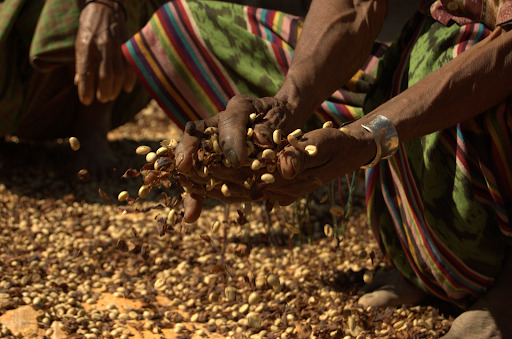
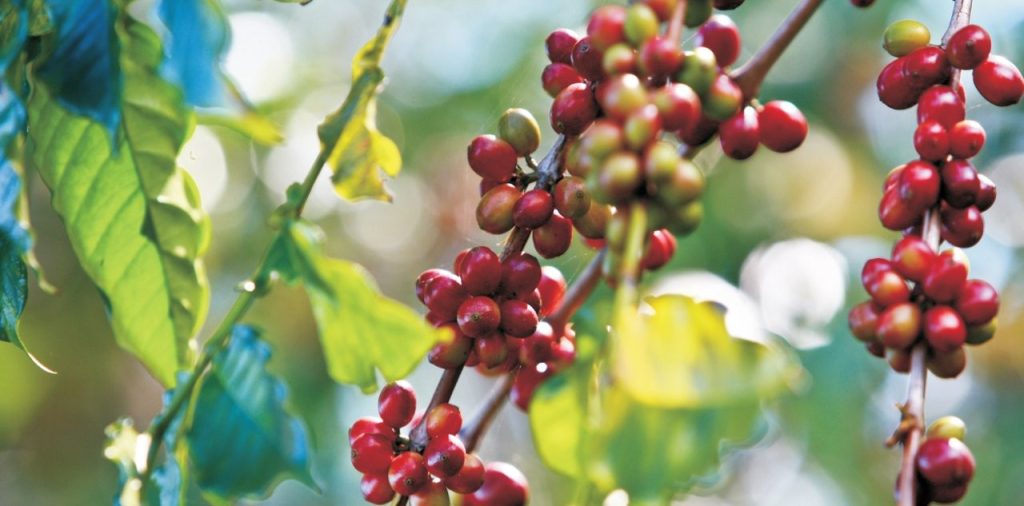
Timor-Leste invites coffee enthusiasts to discover the origins of our signature brew, Timor Hybrid. Timor Hybrid (also called Tim Tim), is a hybrid of Arabica and Robusta. This coffee plant varietal was discovered in the 1940s in Timor, and exported worldwide as it has a strong resistance to coffee leaf rust, which is a risk for most coffee plant species. Our destination, with its rich volcanic soil, high-altitude farms, and deep-rooted coffee heritage, offers a journey that blends culture, history, and exceptional flavours.
Why Timor-Leste?
Timor-Leste has a long history of coffee cultivation, dating back to Portuguese colonial times in the 1800s. The nation’s high-altitude regions, such as Maubisse, Ermera, and Aileu, produce some of the world’s finest Arabica coffee. Our national drink is known for its smooth body, bright acidity, and complex flavour notes.
Experiencing Coffee from Farm to Cup
A trip to our coffee plantations is more than just a sightseeing tour, it’s an educational and sensory experience. Visitors can follow the coffee journey from cherry to cup:
- Harvesting: Depending on the season, usually in May to September, travellers can join farmers in handpicking ripe coffee cherries.
- Processing: Learn about the various methods of processing coffee, from washed to natural drying techniques.
- Roasting and brewing: Participate in roasting workshops and master the art of brewing a perfect cup using traditional methods.
Best Coffee Regions to Visit
1. Maubisse – The Heart of Timor-Leste’s Coffee Culture
Maubisse, located about 70 km south of Dili, is one of the most well-known coffee-growing regions in the country. Nestled in the mountains at an altitude of over 1,400 metres, Maubisse offers breathtaking views and some of the best coffee experiences.
Tour family-run farms where coffee is grown, harvested, and processed using traditional methods, including the renowned Cooperative Cafe Timor (CCT). At CCT, farmers have been trained in modern cultivation and processing techniques, helping to uplift local communities. The cooperative cultivates high-quality coffee beans alongside spices and cocoa, and offers tasting sessions where visitors can sample freshly brewed Timorese coffee and learn about various roasting methods.
In addition, two of our best coffee growers run their farms out of Maubisse as well, including Knua Hakmatek and Cocamau, both located in the Ainaro municipality of Maubisse.
2. Ermera – Timor-Leste’s Largest Coffee-Producing Region
Ermera is Timor-Leste’s top coffee-producing district and home to thousands of smallholder farmers who have cultivated coffee for generations. Emera supplies half of our coffee, with its ideal shading and high elevation. Visitors can explore:
- Letefoho Specialty Coffee Roasters: The Coffee Hub: A sub-region within Ermera, renowned for its high-altitude coffee farms and most well known internationally, ranging from 1,300 to 1,900 metres above sea level.
- Daurfusu Farmer Group: Skilled producers of quality coffee, led by Simiao Pedro de Deus and often utilising traditional processing techniques.
- Cafe Brisa Serena: A group of 16 producers in Ducurai Village known for its organic, fully washed coffee, grown at 1500 to 1700 metres above sea level.
- Timor Global in Railaco: Run by Bobby Lay, one of the most important members of building up the coffee industry for us, providing visitors with a deep history of how coffee came to be in Timor-Leste.
- Gecko Kafe: A local cafe in Ermera that provides authentic coffee beans and experiences, with a range of small snacks, drinks, and ice cream.
3. Aileu – A Hidden Gem for Coffee Enthusiasts
Aileu is a lesser-known yet remarkable coffee region. With its cool climate and fertile lands, it produces exceptional Arabica beans. Their farms are typically small and are located at 1,550 to 1,600 metres above sea level. The landscape in Aileu is steep and mountainous with high altitudes perfect for coffee cultivation.
Visiting Aileu not only allows travellers to meet local farmers to engage with coffee growers and hear their personal stories, but you get a more personalised visit with a chance to deeply engage with our coffee culture in comparison to larger coffee farms.
4. Maddog Adventures – 7-day Specialty Coffee Tour
Crafted specifically for coffee roasters and entrepreneurs, this tour offers a rich and insightful experience, delving deep into the distinctive privileges and challenges associated with growing, harvesting, and processing specialty coffee in the world’s second youngest nation.
Coffee experts from Raw Material’s Timor-Leste team, will guide you through four wet mills nestled in the picturesque hills of Atsabe, you’ll visit their coffee processing facility in Railaco, and engage in plenty of coffee cupping. The tour has been expertly curated and will be managed by Maddog Adventures, a seasoned organiser of bespoke tours in Timor since 2019.
Practical Tips for Your Coffee Pilgrimage
- Best Time to Visit: The coffee harvest season runs from May to September, making it the perfect time for an immersive experience.
- Getting There: Hiring a local guide or renting a 4×4 vehicle is recommended for accessing remote plantations.
- Where to Stay: Guesthouses in Maubisse, Aileu, and Ermera offer cosy stays with stunning mountain views.
- What to Bring: Comfortable hiking shoes, a reusable water bottle, and a notebook for coffee-tasting notes.
Coffee is deeply intertwined with our local communities. Many coffee farms are small, family-owned businesses that rely on sustainable and ethical production methods. Visiting these farms not only provides insight into the country’s coffee industry but also supports local livelihoods. Buying directly from farmers ensures they receive fair compensation for their hard work.


 Left to right: Nick Hitchins, Country Director / Line Pilot at MAF handed the official agreement to Osaias Soares, President of ATKOMA ( Photo credit: Maria Da Costa/USAID’s Tourism For All)
 urism For All Project helped the people of Atauro to establish ATKOMA to manage the destination and they encouraged MAF and ATKOMA to work in collaboration to improve transport links and increase visitor arrivals.


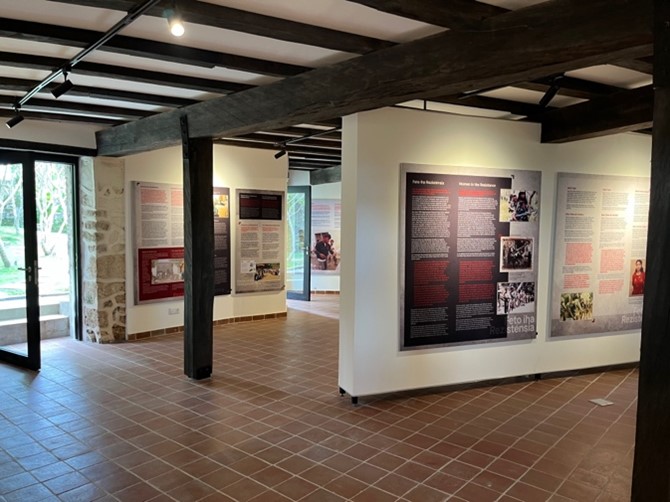
 The Prime Minister of Timor Leste, Taur Matan Ruak officiated at the opening ceremony, and was joined by the Australian Ambassador, Bill Costello; the Patron of the Balibo House Trust, Steve Bracks; and many dignitaries, veterans and community members. The Museum was funded by the Timorese and Australian Governments and the project was managed by the Balibo House Trust.
 All Balibo House Trust

 The corn harvesting in Oesilo takes place in one of the sacred places named “Fatu Naek Hoineno” in the local language. The corn harvesting ceremony usually takes place every year and is celebrated by four hamlets: Hoineno, Usapikolen, Oenoah, and Kabun. The communities celebrate the ritual ceremony of “Fua Pah” as a symbol of gratitude to their ancestors and wishing for the best for the new generation. Before performing this ceremony, the communities must prepare an animal that they will slaughter as a symbol of the sacrifice to their ancestors.